The Chicago Fire Setbacks and Rebuilding

October 8–10, 1871

A transformative tragedy that shaped Chicago from a rapidly expanding trade hub into a resilient metropolis, rebuilt stronger than before.

Scroll to explore

The Inferno That Changed Everything

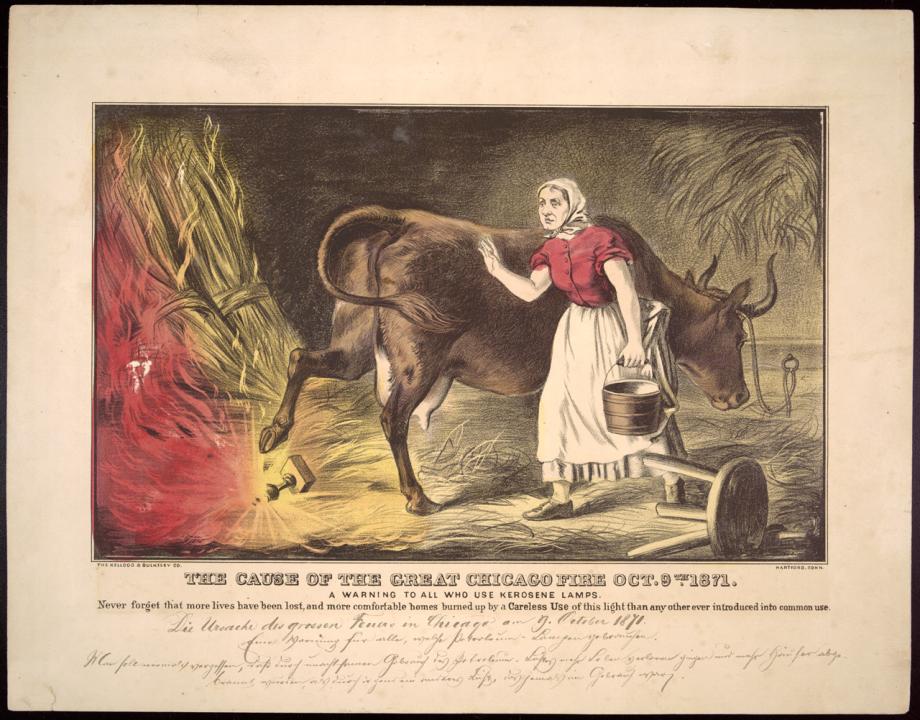
The immediate cause of the Great Chicago Fire remains uncertain. Contemporary reports rumored that the blaze began in the O'Leary barn after a lantern was knocked over and popular accounts later blamed Mrs. Catherine O'Leary's cow due to the fact that no other plausible source was provided.

Cartoonists and lithographers of the period, such as Kellogg & Buckley, produced satirical imagery that helped popularize an explanatory but misleading narrative. Scholars note that scapegoating of an Irish Catholic immigrant must be viewed in the context of prevailing
The Scale of Destruction

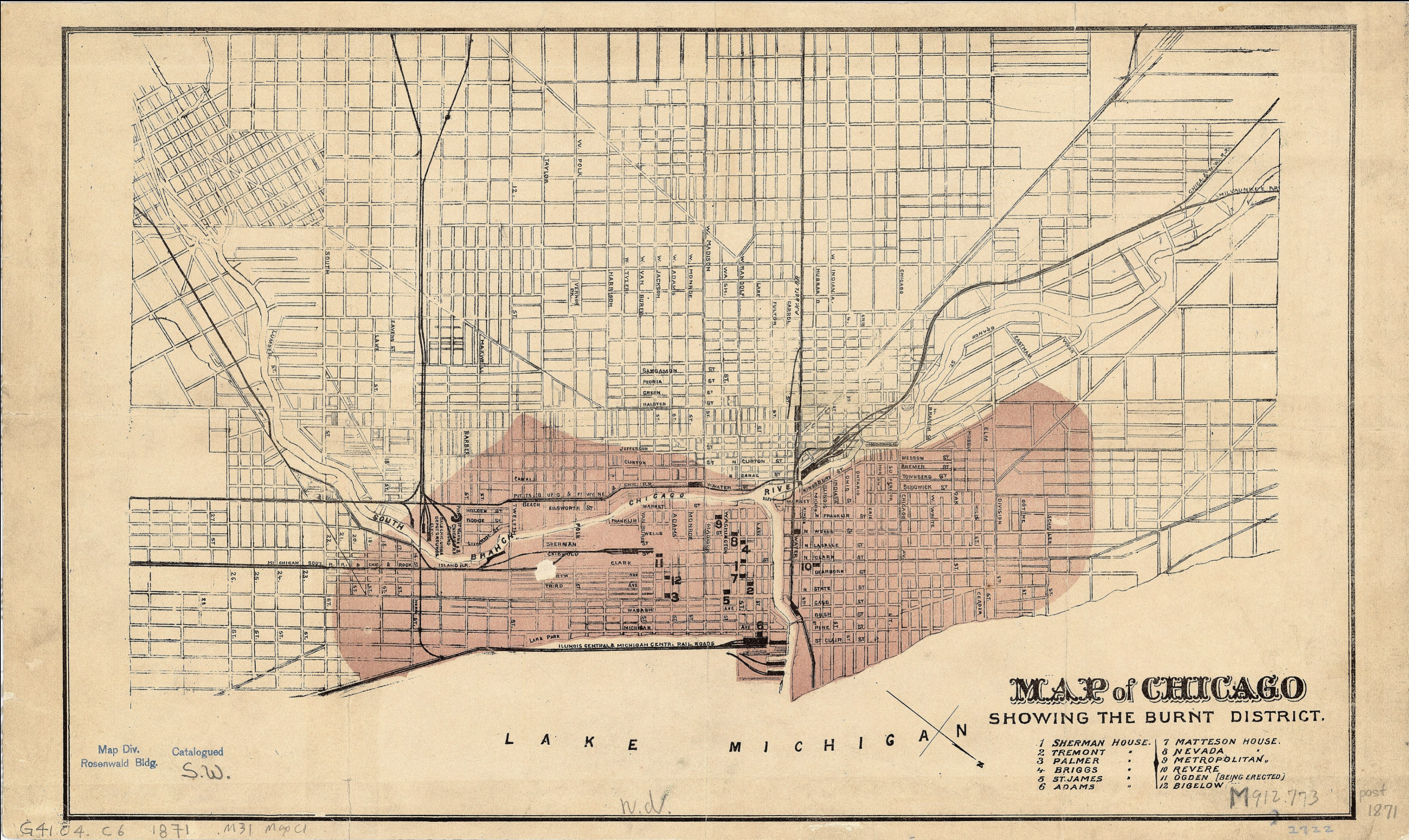
Map of the Burnt District, ca. 1871

Map of the Burnt District, ca. 1871

The absolute scale of how large this fire is displayed here in this map. The origin is unknown; however, we can infer that the map was made during 1871. The fire went as far north as Old Town's North Avenue and as far south as current-day China Town and Cermak Road.

Critical detail: The fire could have been halved if wind hadn't taken the fire across the river.

A Scapegoat for the City

The definitive source of the Chicago Fire is unknown; however, it is known that it started near Mrs. O'Leary's farm. This satirical comic shows a cow stomping on a kerosene lamp along with Mrs O'Leary looking casual about the incident.

The perspective of the artwork is also off given the legs of the chair not appearing correctly. Kellogg and Buckley created other lithographs of the Fire, attempting to capitalize off the incident given they were located in Hartford, Connecticut.

Chicago needed a scapegoat to pin the Fire on, and a Catholic, Irish immigrant was a target that would stick.
Satirical lithograph showing Mrs. O'Leary's cow kicking over a lantern

Kellogg & Buckeley, ca. 1872

The Court House: Then and Now

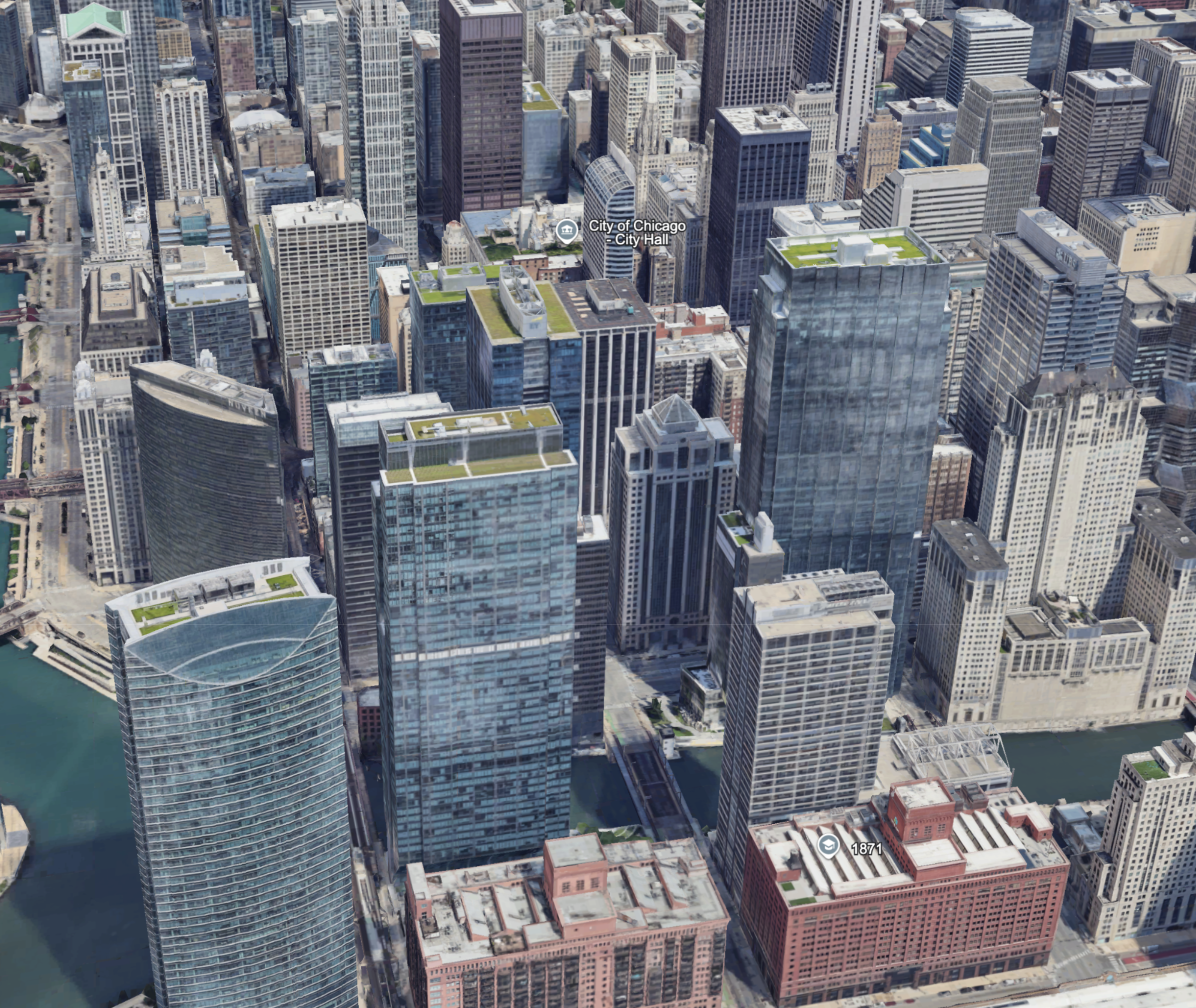
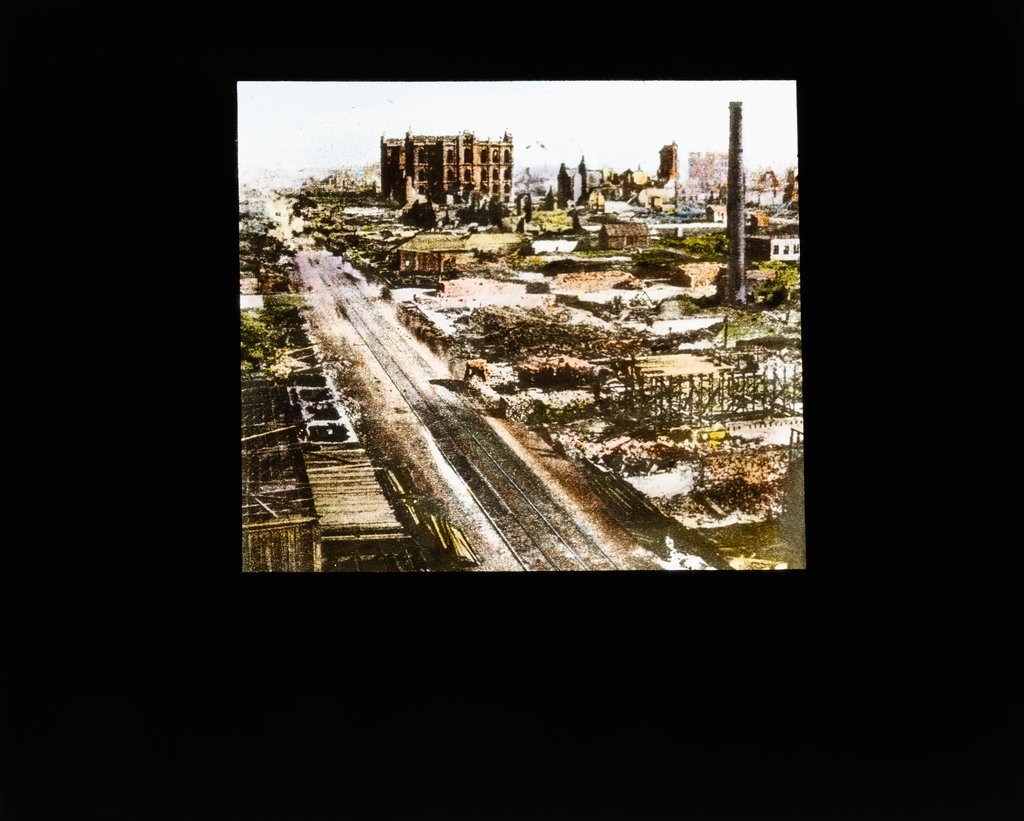
The aftermath of the Fire was grim. The only buildings that survived were ones that were not built out of wood. The photo shows an East-ward view taken a few dozen feet North of Randolph and right before the river on Market street (now Wacker Drive).

The City of Chicago City Hall replaced the old Court House and reaches all the way to the edge of Randolph.

The Resilient Water Tower

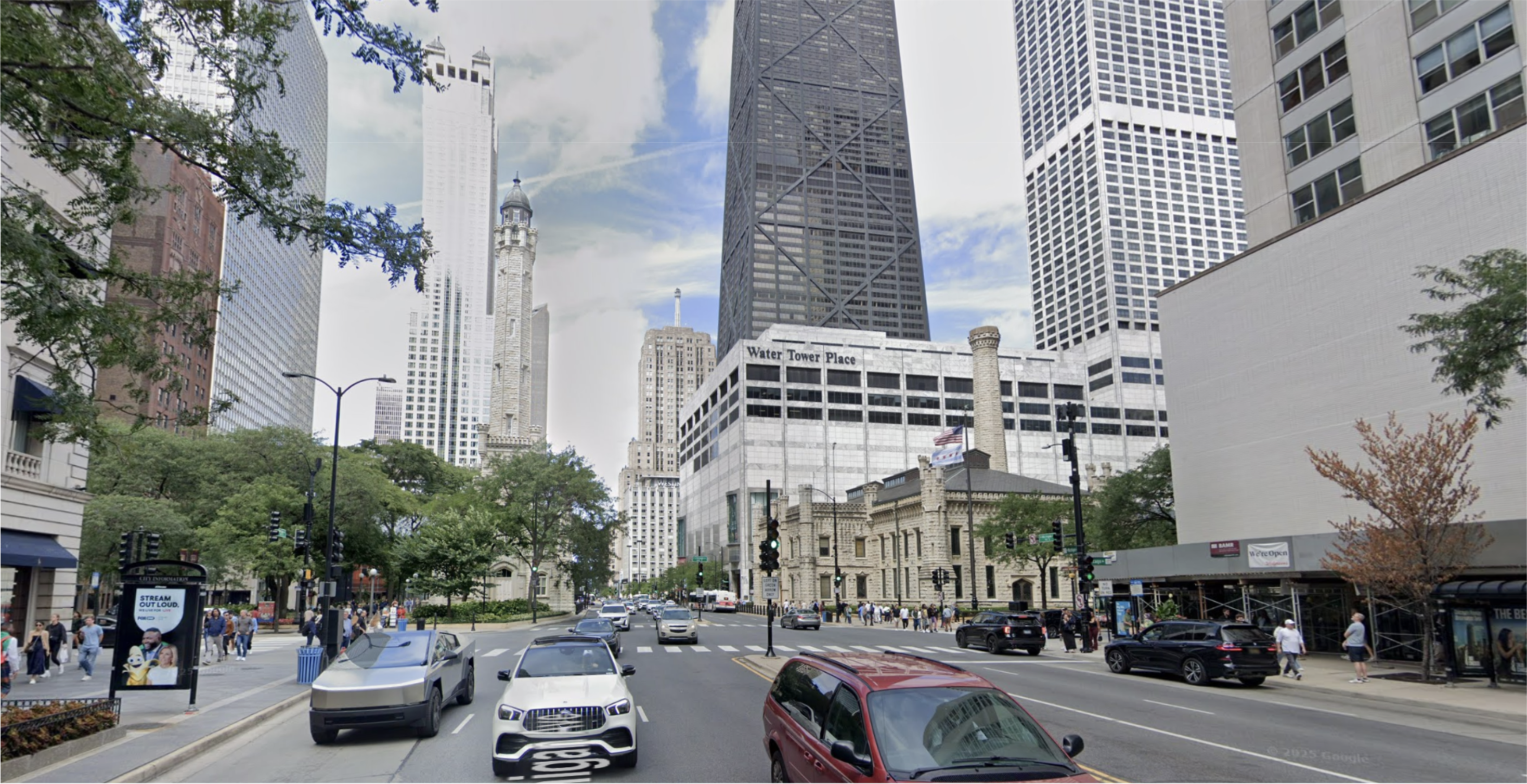
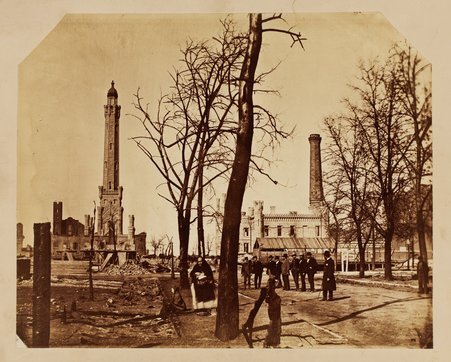
The resiliency of Chicago is shown in the Water Tower. This photo taken shortly after the fire shows the surviving Water Tower and Pumping Station, along with a few trees. Originally called the North Division, the area was primarily residential until the early 1920s.

Though the Water Tower sits on prime real estate in Chicago's Magnificent Mile today, tearing it down would mean acting worse than the Chicago Fire itself.

Faith and Rebuilding

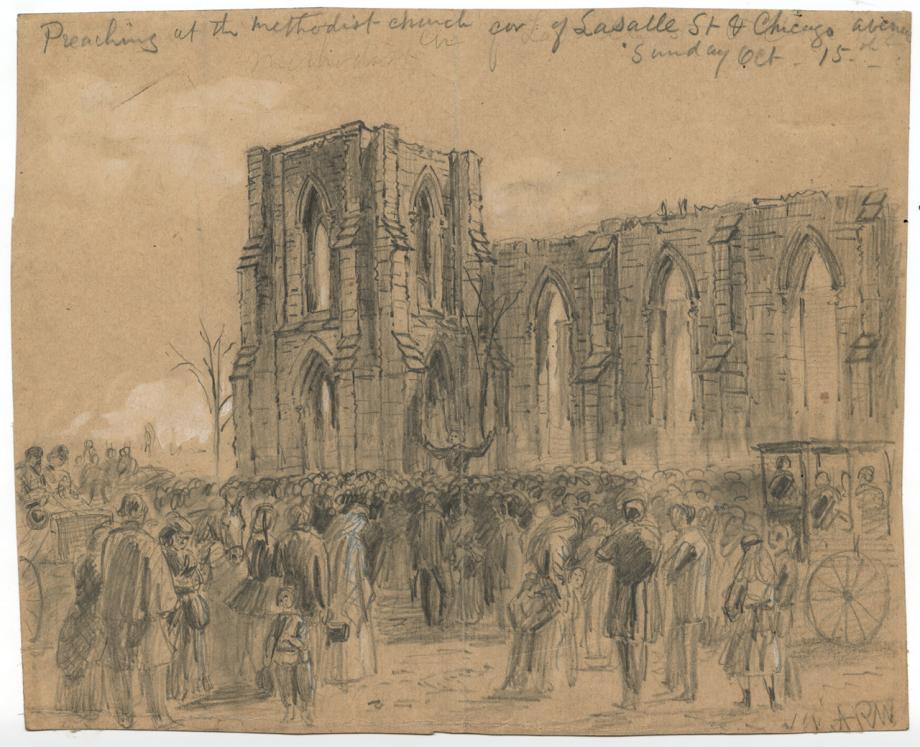
Sketch of preaching at Methodist Church corner of LaSalle and Chicago Avenue

Alfred R. Waud, October 15, 1871

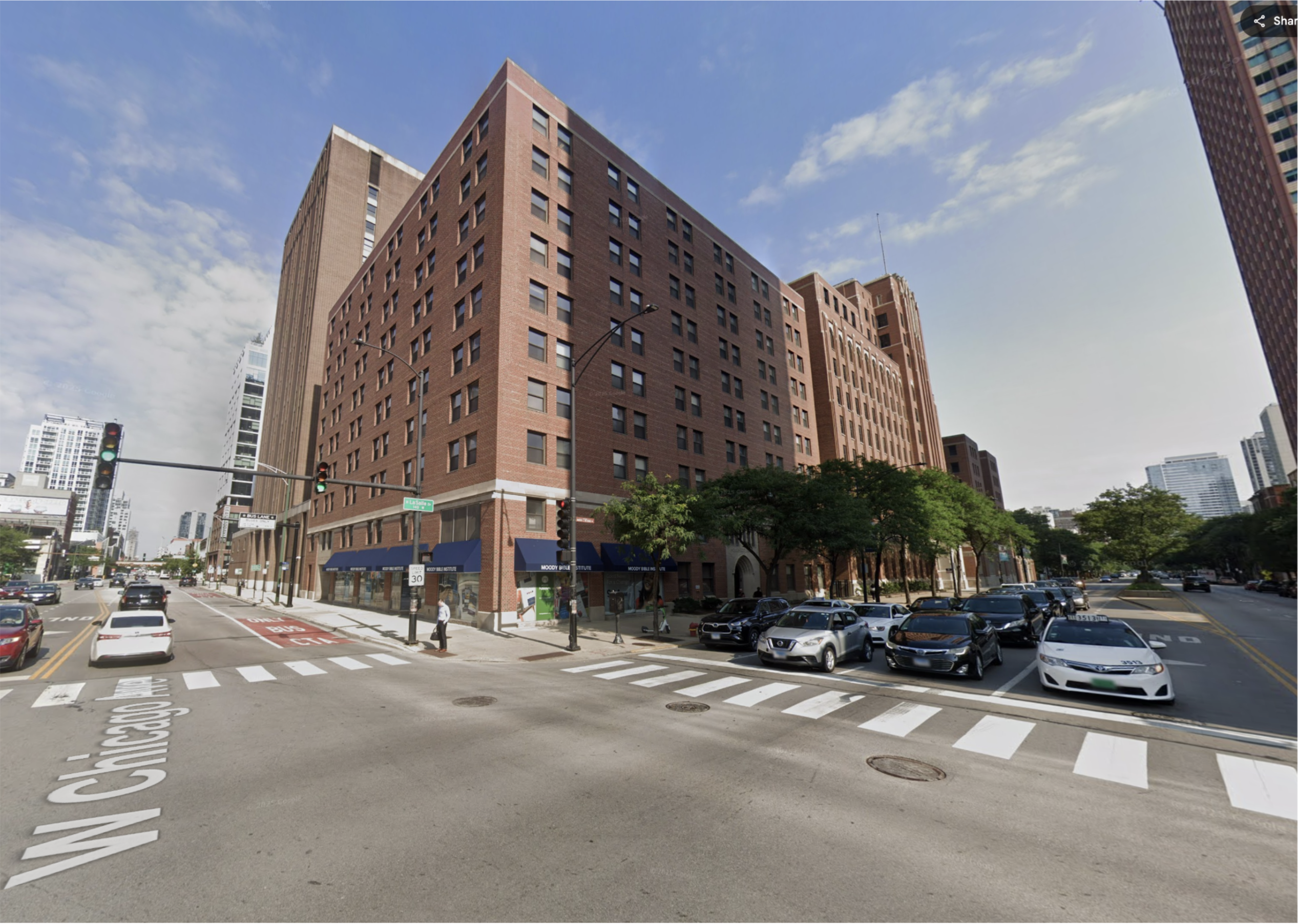
The sketch of LaSalle and Chicago's Methodist Church shows the mood after the fire. In the aftermath, the city was somber but also showed resilience because building started immediately after.

Alfred's sketch shows the reliance on finding meaning through religion. The plot of land on this intersection later became the Moody Bible Institute.

Rebuilding and the 1893 World's Columbian Exposition

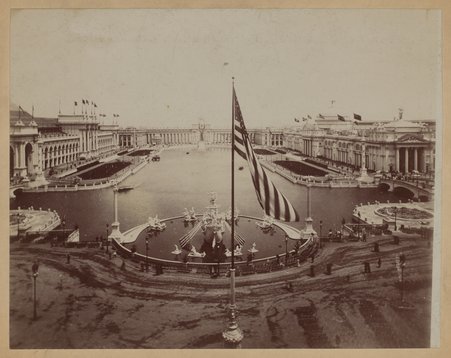
Chicago's rapid recovery after the Fire set the stage for the city's spectacular rebirth and the 1900s-era civic pride that culminated in the 1893 World's Columbian Exposition.

The World's Columbian Exposition (1893) highlighted Chicago's rebuilt civic center, monumental architecture, and technological achievements. The fair created new strides in architecture and urban design while showing Chicago's emergence as a major American city.

The Court of Honor at World's Columbian Exposition, 1893

Chicago History Museum, ICHi-061668; J. Maul, photographer

Sources & Further Reading

"View of the Chicago Avenue Water Tower and pumping station after the Great Fire of 1871, Chicago, Illinois." Photograph, post-1871. Chicago History Museum (Identifier: ICHi-002792). Accessed November 14, 2025. View Source

"Court House ruins after the fire." Photograph, 1871. Chicago History Museum (Identifier: ICHi-176626). Accessed November 13, 2025. View Source

"Map of Chicago showing the burnt district." [ca. 1871]. The University of Chicago Library Map Collection. Accessed November 13, 2025. View Source

Kellogg & Buckeley. "The Cause of the Great Chicago Fire Oct. 9th 1871." Lithograph, ca. 1872. Chicago History Museum. Accessed November 13, 2025. View Source

"The Court of Honor at World's Columbian Exposition" [ca. 1893]. Chicago History Museum (Identifier: ICHi-061668). Accessed November 14, 2025. View Source

Waud, Alfred R. "Preaching at the Methodist church cor. of LaSalle St. and Chicago Avenue Sunday Oct 15th." Pencil and Chalk Drawing, 1871. Chicago History Museum (Identifier: ichi-64139). Accessed November 13, 2025. View Source

Digital Exhibit by Eric Spencer

November 14, 2025